WeedLife News Network

Hot off the press cannabis, marijuana, cbd and hemp news from around the world on the WeedLife Social Network.

Medical Cannabis: What is it and is it legal in the UK

Charlotte Caldwell, the mother of 15-year-old Billy Caldwell, has brought her legal campaign to acquire medicinal cannabis for him through the NHS to an end.

Mrs Caldwell and her son made headlines in 2018 when officials at London’s Heathrow airport confiscated cannabis-based medicine from them, which had been obtained in Canada to treat his epilepsy.

Billy has refractory epilepsy, which can cause him to have a hundred seizures a day.

The following year, the family launched a legal challenge against the NHS and the department of health in Northern Ireland over access to his cannabis-based medicine.


According to the Belfast News Letter, the legal proceedings were withdrawn at Belfast’s High Court on Monday 7 September 2020.

e-mail icon
Continue reading

More Australians back legalizing cannabis and 57 per cent support pill testing, national survey shows

A growing number of Australians support the legalization of cannabis, while almost three in five back the idea of pill testing, according to a new national survey.

The 2019 National Drug Strategy Household Survey also shows Australians are drinking and smoking less, but some illicit drug use is on the rise.

Importantly, this national snapshot, released on Thursday, shows the Australian community is becoming more open to less punitive measures around drug use.

Changes to drug use

The National Drug Strategy Household Survey is conducted every three years. The 2019 results showed an increase in illicit drug use from 2016.

This includes the proportion of Australians who used cannabis (up from 10.4% to 11.6%), cocaine (2.5% to 4.2%), ecstasy (2.2% to 3.0%) and ketamine (0.4% to 0.9%).

e-mail icon
Continue reading

Time to Vote: Will WHO Cannabis Recommendations Be Accepted?

The last few years have been a roller coaster ride in terms of cannabis regulation, and there hasn’t been a whole lot of consistency. Now, with the scheduled vote on WHO drug scheduling coming up, the fate of CBD hangs in the balance.

So, who exactly is this WHO which makes designations as to which drugs are narcotics and which are not? The World Health Organization is an agency belonging to the United Nations and is responsible for public health globally.

One of the first things to understand about the global scheduling of drugs is that a lot of current legislation is set according to the Single Convention on Narcotic Drugs 1961, a treaty signed by 186 governments as of 2018. It prohibits the production and supply of narcotics, including – because of how its scheduled – cannabis

It should be noted that the Single Convention does not act alone, and member countries are also required to have their own drug policies, so long as they are in line with the Single Convention. As part of this, the World Health Organization, through the Commission on Narcotic Drugs, is an office that can add, transfer, or remove drugs from within a specific scheduling class, of which there are four. Scheduling goes as follows:

I – Drugs that are considered addictive and with a high risk of abuse (including cannabis and heroine).II – Normally used medical substances with a low risk of abuse.III – Preparations made from schedule II substances, as well as those that use cocaine.IV – The most dangerous drugs listed in schedule I, considered particularly harmful and with little to no medical or therapeutic value. This also includes cannabis.

In the 1971 Convention on Psychotropic Substances, a separate set of scheduling guidelines for different substances was made.

I – Substances with a high risk of abuse, which pose a major threat to public health, and which have little to no therapeutic value. This class includes THC.II – Substances with a risk of abuse, which pose a major threat to public health, and which have a low to moderate therapeutic value.III – Substances with a risk of abuse, which pose a major threat to public health, and which have a moderate to high therapeutic value.IV – Substances with a risk of abuse, which pose a minor threat to public health, and which have a high therapeutic value.

In the last few years, as different countries have changed their laws, the question of this scheduling has come into play.

e-mail icon
Continue reading

What’s on Your Cannabis? The Differing Regulations When It Comes to Pesticides

Pesticides can be found on pretty much anything that’s grown these days. There’s an ongoing battle brewing regarding the dangers of these sprays to human health, with a growing collection of evidence in the negative category. Where does cannabis fit into all this? And what can you expect to have sprayed on your buds?

As with many topics in life, there is no official consensus on the safety/dangers of pesticides, especially when it comes to cannabis consumption, but the growing bank of literature expressing dangerous outcomes is hard to ignore. Nor is there a consensus on how much should be used, though the idea of needing to establish this is a strong indicator for the understanding of their collective dangers.

There aren’t consistently used ways to test for them, or even consistent regulation on what exactly is being tested for in order to establish the pesticide content. There isn’t a consensus on which pesticides are okay and which are not. One of the only things to be sure of, in fact, is that there’s probably something sprayed on your flowers, it might not be good stuff to have sprayed on your buds, and there could be a lot of it there.

Pesticides in the USA

In the US, the US Environmental Protection Agency (EPA) regulates pesticide use in agriculture with local governments overseeing the process. This accounts for any legally grown form of agriculture. Cannabis presents an issue in that it’s still federally illegal, apart from industrial hemp which technically is not intended for consumption.

This means there are no pesticides officially approved for use on cannabis for human consumption, and no official conversation about it at all. This also means there’s no official information being put out about safe levels of pesticide resins in products (if such a level exists). All states in the US that have legalized, have had to come up with their own regulatory systems, and without all the testing generally available on a federal level.

As of yet, all the legalized states have different policies, which means smoking cannabis, or using cannabis products, in/from these states would dictate different levels of regulatory safety.

e-mail icon
Continue reading

2021 Will Be THE Year For The Northeast Cannabis Market

As the West Coast matures from the early Green Rush and Midwest markets like Michigan and Illinois hit their stride with recent legalization, all eyes are on the Northeast as the sleeping giant that will radically change the national cannabis landscape for 2021 and beyond. Among the 40 million-plus residing in the tri-state area between New York, New Jersey, and Pennsylvania, the East Coast offers a monumental competitive advantage with substantial opportunities for new players to make their mark as soon as the industry is given the green light to move forward—which is only a matter of time.

 “There is no question that a lot of states that were sitting on the fence on adult-use legalization will now turn to it as they look for tax revenues,” says Joe Bayern, President of CuraLeaf (OTC:CURLF). 

Bayern points to New Frontier Data that estimates that if marijuana were legalized today, roughly 782,000 new jobs would be created, estimated to grow to 1.1 million by 2025. Federal legalization, it is estimated, would generate $131.8 billion in federal tax revenue between 2017-2025.”

While most are hedging their bets on Pennsylvania’s impending recreational legalization, industry insiders know that the real story is happening in New Jersey. According to a recent Clarus report, Pennsylvania is expected to continue building on its rapid growth that has contributed to TerrAscend’s (OTC:TRSSF) foothold as one of the fastest organic revenue growth rates in the U.S. cannabis sector thanks to the strength of its Ilera unit in Pennsylvania (PA). However, New Jersey is the market with a promising outlook as the key revenue driver over the next two years.

 “Due to population density, overall population size and a prospective turn toward adult use, I think New Jersey and Pennsylvania present some of the strongest prospects in the East for sustained levels of growth,” says Greg Rochlin, CEO of Ilera Healthcare. “Given TerrAscend’s high capacity, professional operations and team in the East Coast, we are well positioned to serve our patients and communities with research-based education and high quality, consistently produced products, in compliance with the state-based regulatory guidelines.”

e-mail icon
Continue reading

The unintended consequences of marijuana decriminalization

America’s decades-long war on drugs disproportionately harmed minorities. Now, it seems that decriminalization of marijuana hasn’t leveled the playing field.

Black men are 12 times more likely than white men to spend time incarcerated in the United States. College enrollment for black men has declined since the 1986 Anti-Drug Abuse Act went into effect.

I am a scholar of public policy. In my book, “From Criminalizing to Decriminalizing Marijuana: The Politics of Social Control,” I aim to provide a historic overview of marijuana legislation and its impact on minorities.

Unequal easing

Today, some drug laws related to marijuana are easing. Twenty five states have introduced decriminalization reforms, with 11 states allowing adult recreational use. Such reforms directly impact adults 21 years of age and older, but they also have indirect effect on younger Americans.

Even though marijuana is still illegal for people under 21, evidence is emerging that decriminalization is increasing the number of kids who consume weed illegally.


Continue reading

California Might Be Progressive with Marijuana, But CBD is an Entirely Different Story

Although California is viewed as a liberal paradise – especially regarding cannabis laws – the way this state regulates CBD is still incredibly limited and regressive.

California has the oldest and largest legal cannabis market in the world. Medical marijuana has been legal in the state for 24 years now, recreational is legal, and you can easily find flower and other high-THC products in most localities. However, when it comes to CBD (cannabidiol), California dispensaries need a special license to sell hemp flower, it’s illegal to infuse CBD in edibles, and a bill is on the table that would prohibit anyone under 21 years old from buying any it.

Why the discrepancy when CBD is non-psychoactive and federally legal?

Over two decades of medical marijuana

Back in 1996, the Golden State became the first to legalize the use of medical marijuana. It was uncharted territory, and putting Prop 215 – The Compassionate Use Act, into practice would be no easy task; but the main objective was “to ensure that seriously ill Californians have the right to obtain and use marijuana for medical purposes in the treatment of cancer, anorexia, AIDS, chronic pain, spasticity, glaucoma, arthritis, migraines or any other illness for which marijuana provides relief.”

And the bill really meant ANY illness. This drew a lot of criticism, with many lawmakers believing that cannabis should only be prescribed for a very limited list of predetermined conditions. However, lawmakers are not doctors or scientists and are in no position to make assumptions on the therapeutic potential of cannabis. Questions of medication, treatments, and prescriptions should handled by healthcare practitioners and their patients.

e-mail icon
Continue reading

For Veterans, the Potential of Plant Medicine Is 'Limitless'

The last two decades have brought bi-racial athletes, politicians, scientists, entrepreneurs, and more to the forefront. On August 19th we nominated Senator Kamala Harris, the first Vice President of Jamaican and Indian heritage. There is an excitement in the air, young women see themselves in Kamala Harris and think "If she can, I can". Which brings us to our interview with Socrates Rosenfeld, his father is a Greek Cypriot, his adopted stepfather is Jewish American and his mother grew up in Indonesia, of Egyptian and Sumatran roots.

I would say Socrates is the International Food Court of genetics. Socrates is the CEO of  Jane Technologies, Inc., a retail software company that created the leading online cannabis marketplace, has announced the launch of two new e-commerce modules designed to deepen brand relationships with consumers while promoting local dispensary sales. When I first met Socrates and Howard Hong up in San Francisco over 4 years ago, I saw two young men who "had it", I saw the future of Asian Americans in cannabis and who was going to lead the way in innovation and entrepreneurship.  Rosenfeld's career started in the US Army and he left with the rank of Commander, to the world of finance.

Rosenfeld's heritage I believe gave him the skills to build bridges wherever he went and to build businesses that encapsulate that multicultural heritage. It is my honor to present our Q&A with Socrates Rosenfeld, CEO of Jane Technologies.

As a child of two cultures, how did you navigate your place in the world by using that duality? (This question is about children who come from parents with diverse backgrounds and cultures, as in Tiger Woods, Kamala Harris, Colin Powell who had Jamaican and Scottish ancestry)

Socrates Rosenfeld: Growing up in a multicultural home with generations of mixed heritage, I came to understand that connection transcends language, race, or religion. I didn't have to travel around the world to be exposed to different cultures -- they were under my roof. Indonesian, Greek, American, Muslim, Christian, Jewish, and even Atheist. Naturally, there were clashes, but ultimately everyone was able to connect on the commonalities that tie us all together as human beings.

e-mail icon
Continue reading

Indonesia Takes Away “Medical Plant” Designation for Cannabis

Indonesia made a splash when a decree from earlier this year declaring cannabis a “medical plant” in the eyes of the government officially got on the public’s radar. Now, the Agricultural Ministry in Indonesia is revising this decree, as cannabis is still illegal in Indonesia with no legalization in sight. 

The proclamation originally went viral via an Instagram post from the Nusantara Marijuana Network (LGN), a group that fights for cannabis legalization and advocacy in Indonesia. According to this degree, cannabis has been considered a medical plant since 2006 by the federal government; this just hasn’t necessarily been public knowledge.

“The decree will be revised soon, after we coordinate with the National Narcotics Agency [BNN], the Health Ministry and the Indonesian Institute of Sciences [LIPI],” the ministry’s vegetable and medicinal plant director, Tommy Nugraha, said in a statement on Saturday. “Marijuana’s inclusion on the medicinal plant list means that it can only be used for research, as stipulated in Article 67 of Law No. 13/2020 on horticulture. Currently, we record no legal marijuana farmers in Indonesia.”

Thus, the “medical plant” designation is very ironic, considering the strict laws against cannabis Indonesia still clings to and doesn’t show signs of giving up. As recently as 2015, a court in Bali sentenced both an Indonesian man and an Australian man who shared a joint to one year in prison. Collectively, the two had less than a gram between them in the joint. And in 2017, a man was sentenced to eight months in jail and a fine equivalent to $69,000 for growing 39 plants in order to extract oil for treating his sick wife.

The Status of Cannabis in Indonesia

Currently, in Indonesia, cannabis is still considered a type-1 narcotic, meaning it is on the same level as cocaine and opium according to national drug laws. Possession of cannabis carries up to 12 years in prison or a large fine. Those who produce or traffic cannabis could serve up to 15 years in prison and pay an even harsher fine.

e-mail icon
Continue reading

Virginia Senate Passes Anti-Stop, Sniff, and Search Bill

Virginia made history last week when the state Senate approved a bill that would stop police officers from pulling over and searching vehicles simply because they smell of cannabis. The bill is meant to help stop racial profiling against people of color. 

This is a big deal because Black folks are more than three times as likely to be arrested for cannabis, according to the ACLU and the data that has been gathered on cannabis use. In general, stop-and-search because of a cannabis smell is likely to involve stereotyping and impact minority groups negatively. 

“This is a small but important step to decriminalizing Black and brown bodies of being targeted by this longtime policing tool, which was really created by politicizing the war on drugs,” said Chelsea Higgs Wise, executive director of the nonprofit Marijuana Justice, regarding the possibility of passing this new bill. “The odor of marijuana is something that our undocumented community is anxious about because it’s life or death and separation from their families.” 

Cannabis Crime in Virginia

While cannabis decriminalization took effect in Virginia this past July, possession of more than an ounce can still result in a serious penalty, and having up to an ounce still results in a $25 fine. Thus, the negative impact tied to policing people of color is still there under this current system. 

“All of that has to stop to meet the full demand of legalization and fully, truly decriminalizing marijuana and Black and brown bodies in the eyes of the police,” Higgs Wise said regarding the change this bill could make. 

e-mail icon
Continue reading

Donald Trump Could Legalize Marijuana Next Month (But It Would Mean Crediting Kamala Harris)

President Donald Trump is afraid of marijuana. He said so himself: In a campaign appearance in Wisconsin earlier this month, the president cracked a nervous “joke” with former Gov. Scott Walker, suggesting that cannabis-related ballot initiatives drove Democratic Party-minded voters to the polls.

One easy way to dispel those fears, and take the weed issue away from Joe Biden and the Democrats, would be to legalize cannabis nationwide. That would be historic, that would be momentous.

And would be something the president could do before Election Day.

President Donald Trump could absolutely legalize marijuana before Election Day, but it would require ... [+] some serious Senate cooperation

Once business in Congress resumes in September, the House of Representatives plans to vote on a wide-ranging bill called the MORE Act, according to a leaked e-mail blast U.S. Rep. Jim Clyburn (D-South Carolina) first reported on by Marijuana Moment on Friday.

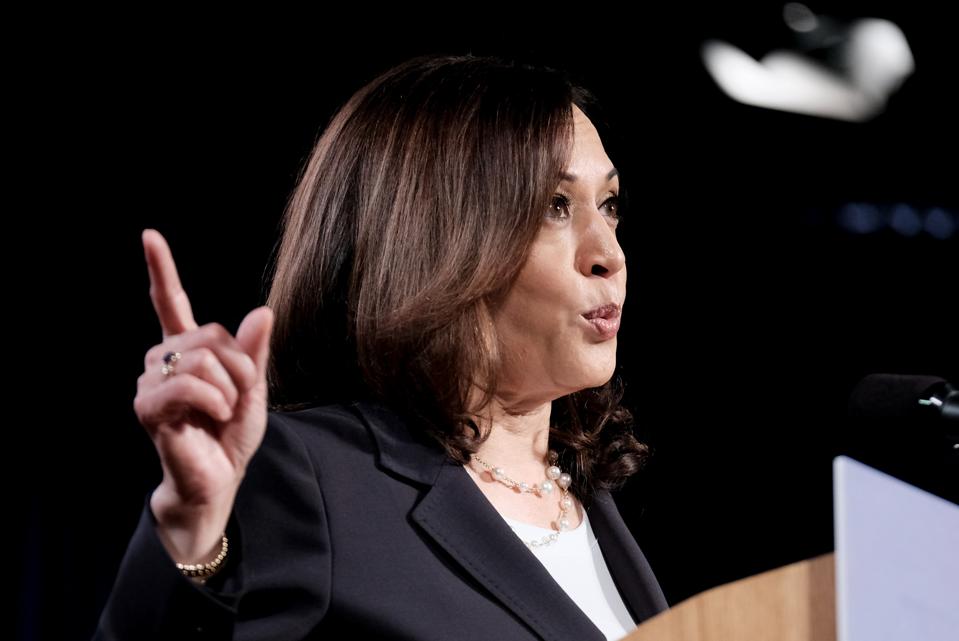
Vice Presidential Candidate Kamala Harris Delivers Remarks In Washington DC
Continue reading

What’s France Up To? New Cannabis Fines and Litigation Over CBD

From instituting new on-the-spot cannabis fines, to battling it out in court with the EU over the legality of CBD imports, France is quite busy right now, and the implications of its case could change cannabis laws throughout Europe.

Some countries make more sense in their slower acquiescence to accepting cannabis (and some have barely started the process at all). But many countries, particularly those of Western Europe, are gradually easing restrictions on cannabis use. This is not the case for France, which just instituted new fines for cannabis users, and is fighting the EU to restrict CBD imports that have any THC at all.

Cannabis in France

In France, it’s illegal to both use and possess cannabis. Unlike most countries, France doesn’t differentiate between personal use and trafficking, meaning the amount of cannabis a person is found with, and the decision of the prosecutor, are what define the circumstance and punishment. It is up to the prosecutor in a particular case to determine whether the offender should go unpunished, if they should enter treatment, or if they will proceed in the court system. A person charged can receive a fine of up to €3,750 as well as a year long prison sentence. This is increased to €75,000 and five years in prison if the offender endangered others while using.

In 2008, the ‘rapid and graduated’ policy began which stated that in clear-cut cases, offenders could possibly get away with just a warning and a treatment program, as well as a possible fine of €450 if the person is not addicted to cannabis (however that is defined).

In 2018, yet another new policy was introduced by the government in which fines could be given on-the-spot to cannabis users. It started as a test in smaller communities, until becoming national policy last month.

As possession and use are illegal and there’s no formal medical program, growing cannabis – for any reason – is illegal, and subject to the same fines and prison time as other cannabis crimes, depending on how the prosecutor deems the case.

e-mail icon
Continue reading

Mississippi: Legislative inaction on medical marijuana leaves some voters with tough choice

Approval of medical marijuana on Nov. 3 by Mississippi voters, based at least on polling, seems like a lead-pipe cinch.

A poll conducted by Millsaps College and Mississippi-based Chism Strategies in 2019 placed support for legalizing medical marijuana at 67% to 27%. In today’s polarized society, it’s difficult to find that level of support for many issues.

Yet some voters, who support the use of marijuana for medical purposes, might have second thoughts on approving the issue at the ballot box.

There will be two medical marijuana proposals on the ballot this November: a citizen-sponsored initiative, and an alternative approved by legislators.

Legislators placed the alternative on the ballot because they argued the citizen-sponsored initiative is too lax, allowing easy access to marijuana. Others would argue the legislators’ proposal is too restrictive and is being placed on the ballot just to confuse voters and guarantee the defeat of both.

e-mail icon
Continue reading

Bill to decriminalize marijuana at federal level up for House vote next month

A landmark bill that would decriminalize marijuana use at the federal level is up for vote soon.

The U.S. House of Representatives is set to vote on the legislation in September, according to an email sent out on Friday by Majority Whip James Clyburn. Politico first reported on the pending vote.

The "Marijuana Opportunity Reinvestment and Expungement Act of 2019" -- also called the MORE Act -- would officially remove cannabis from the list of federally controlled substances. It would also expunge federal marijuana convictions and arrests, and approve the allocation of resources for communities affected by the war on drugs, according to the bill's text.

"A floor vote on the bill would be the greatest federal cannabis reform accomplishment in over 80 years," the Global Alliance for Cannabis Commerce said in a statement Friday.

The House Judiciary Committee passed the bill, introduced by Rep. Jerrold Nadler, D-N.Y., and co-sponsored by more than 50 lawmakers, by a vote of 24-10 in November.

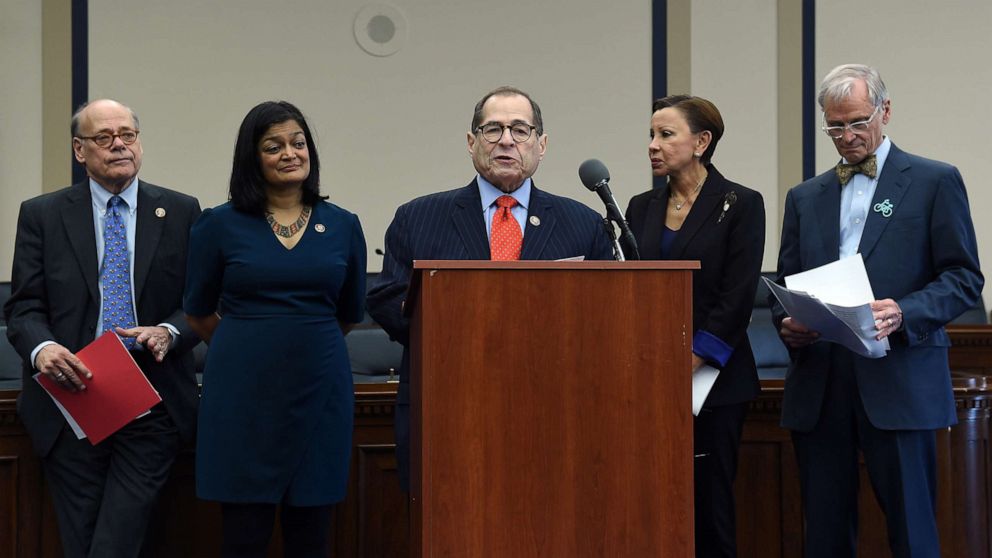
PHOTO: House Judiciary Committee Chairman Jerrold Nadler speaks during a news conference on Capitol Hill to highlight the MORE Act (Marijuana Opportunity Reinvestment and Expungement Act) legislation in Washington, DC, Nov. 19, 2019.
Continue reading

The Great Dutch Cannabis Experiment Morphs On

The Netherlands has pioneered many parts of the cannabis industry as it has evolved and changed over the last half century. See the eponymous coffee shop.

As a nation, Holland is home to an entrepreneurial ethos that feels like a mixture of American free market economics overlaid on European sensibilities. Like Germany next door, for example, prostitution and cannabis have more or less been legal for a long time. Indeed cannabis and licensed sex workers were lumped together as “sin” industries, like in say, Las Vegas, New Orleans, or Sun City a bit further afield. Right down to the proximity of the real estate they shared (and sometimes still do) in say, Amsterdam.

Laissez (faire) les bons temps rouler and all that.

As a direct result, Holland and even more iconically its capital and most important port city, encapsulated and carried forward a dream of more accessible if not legal cannabis through very dark days indeed.

It has been a very long journey.

e-mail icon
Continue reading

Legalization of marijuana is different from decriminalization | Opinion

As Executive Director of The Pennsylvania Chiefs of Police Association and as a former member of the Pennsylvania Department of Health Medical Marijuana Advisory Board, I would like to express my concerns, and those of many of our membership, about the legalization of marijuana and the relative effects on public safety in or communities.

I believe that marijuana legalization in Pennsylvania will pose significant challenges for law enforcement resulting from the unanticipated consequences it has on crime and public safety.

In our meeting with Lt. Gov. John Fetterman, we supported decriminalization. There is an important distinction to be made here for the commonwealth’s residents. Legalization of marijuana is the process of removing all legal prohibitions against it. Marijuana would then be available to the adult general population for purchase and use at will, similar to tobacco and alcohol. Decriminalization is the act of removing criminal sanctions against an act, article or behavior.

There are insufficient data to determine the true impact of legalized marijuana on crime and safety. However, studies in Colorado show:

High-potency THC from marijuana hash oil extractions, which are used in making legalized, laced edibles and beverages, has led to overdoses, potential psychotic breaks, and suicide attempts.Youth use and addiction rates have increased due to ease of accessibility, and there is great concern about the significant health impacts of chronic marijuana use on the youth.Banking systems are unavailable to the marijuana industry because of federal laws, creating a dangerous level of cash that can lead to crime.Difficulties in establishing what is a legal marijuana operation have created problems in conducting investigations, determining probable cause and search and seizure procedures.Marijuana illegal trading through the black and other markets has not decreased. Diversion across state boundaries has created issues for states that do not have legalized marijuana laws.Detecting driving under the influence of marijuana is a significant challenge for law enforcement. Currently, there is no roadside test for marijuana intoxication.Many states have had difficulties caused by conflicting state legislation and local ordinances, policies, and procedures. The situation is even more complex because marijuana remains a Schedule I controlled substance under federal law.

One of the most salient concerns we have relates to the consequences of drug-impaired driving. We have all witnessed our share of crashes and traffic congestion, as well as vehicular, pedestrian and cyclist fatalities. Law enforcement officials are uniquely qualified to discuss the issues and concerns related to impaired driving.

e-mail icon
Continue reading

Hemp growers still waiting on federal and state guidance

As hemp growers prepare to harvest their crop, many questions still remain about the future of hemp, with growers, processors and manufacturers left waiting on two federal agencies and the state to decide how to regulate the industry.

“We have these, like, three government agencies that regulate parts of the plant and none of them talk to each other or agree on what they’re doing,” said Allan Gandelman, who grows hemp at Main Street Farms in Cortland and is an owner of New York Hemp Oil in Cortland.

That waiting is delaying Gandelman’s plans to expand.

It’s a factor, too, in a Broome County hemp processor getting out of the business earlier this month. Great Eastern Hemp seeks to unload a Broome County building it bought last year for $2.2 million to process CBD.

Gandelman said he is playing a waiting game with all three agencies. For years Gandelman, along with other processors have been waiting for the Food and Drug Administration to release guidelines for putting hemp in supplements, foods and beverages.

e-mail icon
Continue reading

Nebraska Medical Marijuana Initiative Qualifies for November 2020 Ballot

Nebraska voters will decide this November on a statewide ballot measure seeking to legalize and regulate medical marijuana access in the state.

In an e-mail sent out to supporters today from the campaign, proponents Nebraskans for Medical Marijuana announced that they have met the state’s signature requirements and that the ballot measure’s language does not violate the state’s single-subject rule.  

The initiative amends “the Nebraska Constitution to provide the right to use, possess, access, and safely produce cannabis, and cannabis products and materials, for serious medical conditions as recommended by a physician or nurse practitioner.”  

Nebraska is one of only three US states that remains on par with the federal government regarding the continued prohibition and criminalization of marijuana.

Separate medical marijuana legalization initiatives will also be voted on in Mississippi and South Dakota on Election Day. Adult-use ballot initiatives have qualified for the ballots in New Jersey, Arizona, Montana, and South Dakota. 

Rate this article: 
Select ratingGive Nebraska Medical Marijuana Initiative Qualifies for November 2020 Ballot 1/5Give Nebraska Medical Marijuana Initiative Qualifies for November 2020 Ballot 2/5Give Nebraska Medical Marijuana Initiative Qualifies for November 2020 Ballot 3/5Give Nebraska Medical Marijuana Initiative Qualifies for November 2020 Ballot 4/5Give Nebraska Medical Marijuana Initiative Qualifies for November 2020 Ballot 5/5
Authored By: 
Regional Marijuana News: 

e-mail icon

Here’s What You Should Know About Legal Marijuana Delivery

The legal delivery of marijuana is becoming increasingly more popular. Here are some  basics you should know.

One of the great joys of modern life is delivery. The fact that you can order whatever you want from the comfort of your home is extremely convenient, and a perk that has become even more valuable during the pandemic. Marijuana delivery, although not as simple as ordering food or alcohol to go, has grown more popular and hassle free over the years. The pandemic is also helping people get licenses more quickly, gaining faster access to these kinds of perks.

Legal marijuana delivery is not something that a lot of people are aware of. While some know that the option exists, getting their weed from an app doesn’t sound as safe and exclusive as visiting your own dispensary or buying something from your trusted weed guy. Some people also think that legal weed delivery just sounds too good to be true. But it’s not; legal marijuana delivery is 100% legitimate.

Here’s what you should keep in mind when ordering legal marijuana online:

Where you live

Photo by Free-Photos via Pixabay


Continue reading

Draft Regulations Published for the Regulation of Cannabis (Marijuana) in Mexico

On July 27, 2020, the Mexico Ministry of Health (Secretaría de Salud) published Draft Regulations on Health Control for the Production, Research, and Medical Use of Cannabis and its Pharmacological Derivatives (the Draft Regulations) on the National Commission for Regulatory Improvements (Comisión Nacional de Mejora Regulatoria) (CONAMER) website.

In summary, the Draft Regulations contain provisions allowing:

Activities for the primary production of cannabis for the supply of industrial production, raw material production for pharmacological and agronomic research, and production of qualified cannabis seed.

The use of cannabis for research purposes to obtain its molecular complexes or pharmacological derivatives to be used in pharmaceutical production, with prior authorization of the Research Protocol issued by COFEPRIS.

The use of cannabis for agronomic research purposes, that is, for scientific activities for the development of primary production technologies for cannabis, including variety assessment and development, crop management and cannabis characteristics.

e-mail icon
Continue reading

WeedLife.com