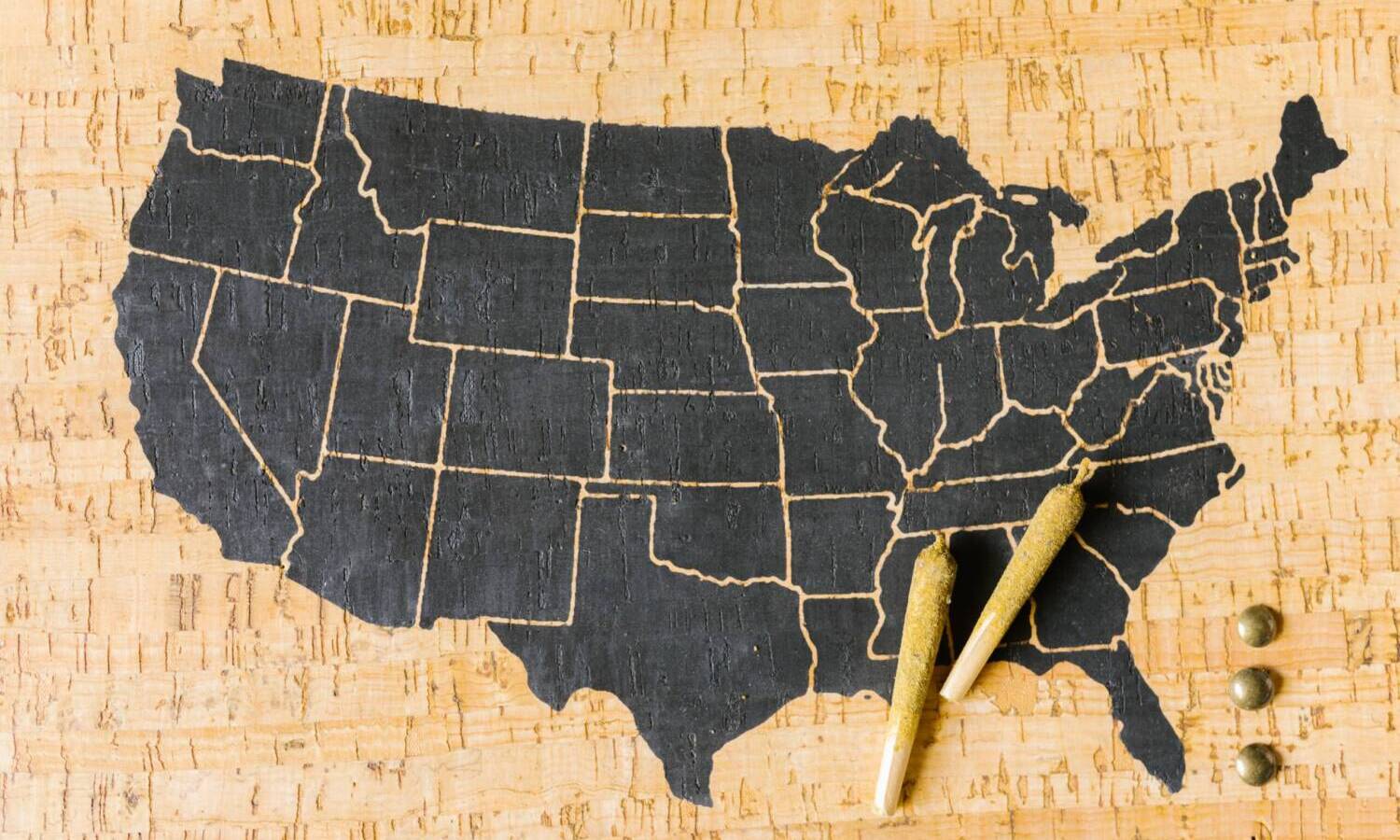
Legalization of recreational marijuana reduces demand for costly prescription drugs through state Medicaid programs, according to an analysis by a Cornell researcher and a collaborator.
When states legalize marijuana, the volume of prescriptions within the drug classes that align with the medical indications for pain, depression, anxiety, sleep, psychosis and seizures significantly decline, the researchers found.
Shyam Raman, a doctoral student in the Cornell Jeb E. Brooks School of Public Policy, and Indiana University doctoral student Ashley Bradford conducted the research. Their article, “Recreational Cannabis Legalizations Associated with Reductions in Prescription Drug Utilizations Among Medicaid Enrollees,” published April 15 in the journal Health Economics.
Most cannabis research has focused on the impact of medical marijuana on demand for prescription drugs or the impact of recreational use legalization on opioid demand. This is among the first studies to focus on the impact of legal personal-use cannabis on a broad range of prescription drugs.
“These results have important implications,” Raman said.

Copyright
© 420 Intel