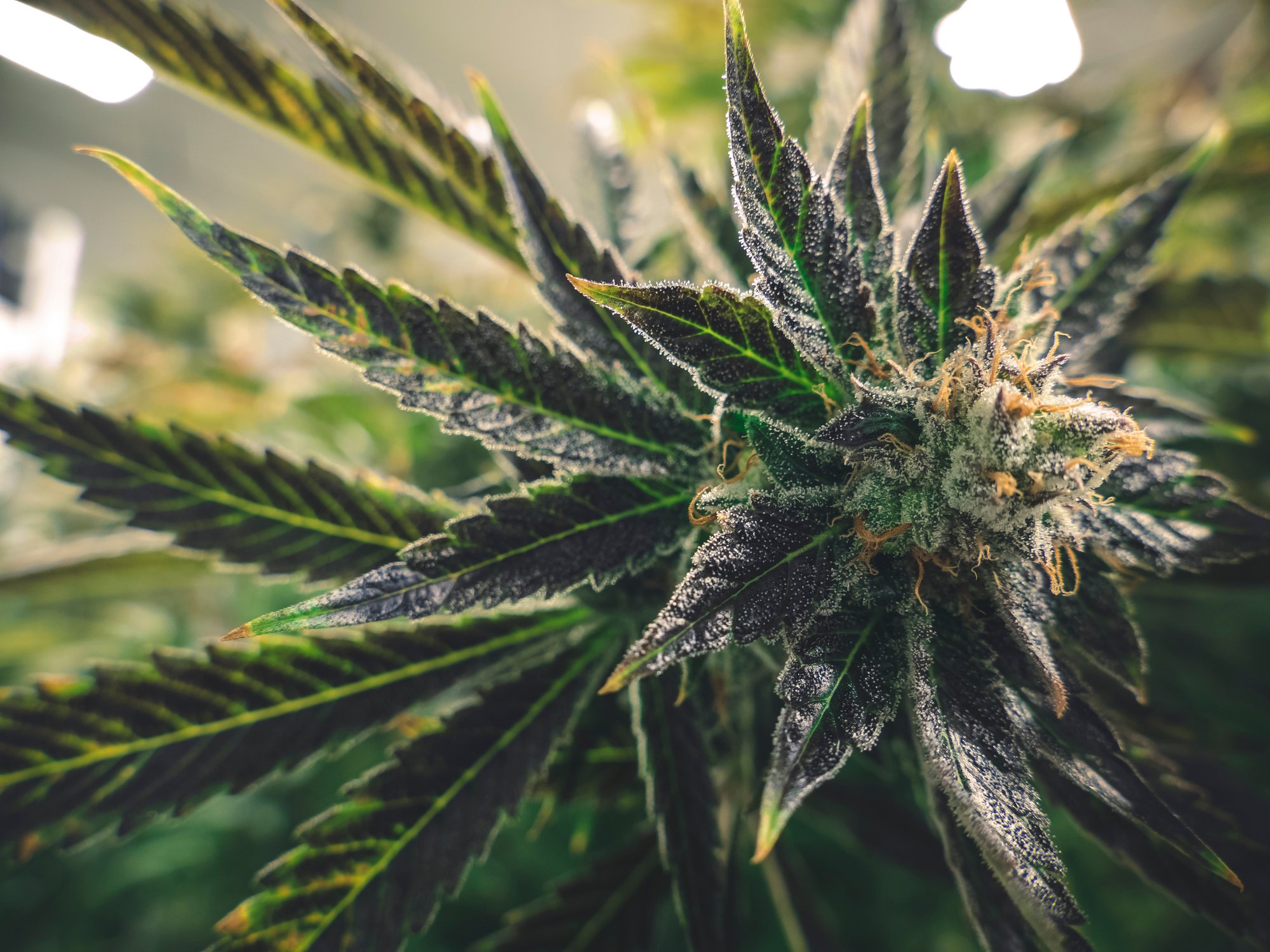
The Seventh Circuit’s ruling is important because courts and legislatures may follow its interpretation of the 2018 Farm Bill with respect to smokable hemp.
The Agriculture Improvement Act of 2018 (“2018 Farm Bill”) legalized hemp by removing hemp and its derivatives from the definition of marijuana under the Controlled Substances Act (CSA). The 2018 Farm Bill also provided a detailed framework for the production of hemp and directed the U.S. Department of Agriculture (USDA) to promulgate regulations and permitted states to maintain primary regulatory authority over hemp cultivated with their border by submitting a plan to the USDA.
In 2019, Indiana passed Senate Enrolled Act 516 (“Act 516”) to bring Indiana’s definition of hemp in line with the 2018 Farm Bill and to establish a regulatory framework for hemp production. Act 516 criminalized the possession of “smokable hemp,” which it defines as any industrial hemp product “in a form that allows THC to be introduced into the human body by inhalation of smoke.” Ind. Code § 35-48-1- 26.6. The law provides that “[a] person who knowingly or intentionally manufactures, finances the manufacture of, delivers, finances the delivery of, or possesses smokable hemp … commits dealing in smokable hemp, a Class A misdemeanor.” Ind. Code § 35-48-4-10.1.
In short, Act 516 made it a crime to manufacture, deliver, or possess smokable hemp.
Days before Act 516 was to go into effect, a group of hemp sellers and wholesalers (collectively referred to here as “CY Wholesale”) filed a federal lawsuit challenging Indiana’s prohibition on smokable hemp (we first covered that here). In its filing, CY Wholesale sought a temporary injunction to stop Indiana from enforcing the smokable hemp ban.

Copyright
© 420 Intel