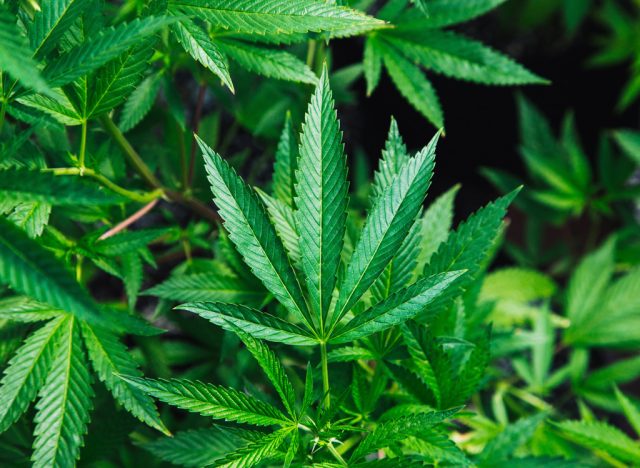
Encouraging outcomes in recent studies have the authors of a recent review calling for more research on the effect of cannabinoids on sleep disorders.
A review published in Nature and Science of Sleep found promising results of cannabinoid medicine on sleep disorders in several studies, which was a sign to the authors that further research to explore this relationship would be helpful in this field.
The review used studies that were taken from PubMed, Web of Science, Google Scholar, and Scopus that were searched between January and February 2022. The review was limited to clinical research, except in cases of obstructive sleep apnea (OSA), narcolepsy, and idiopathic hypersomnia, where preclinical data is used at times.
The effect of cannabinoids on sleep quality is mixed, with the largest and most recent study conducted by Linares, et al, identifying no change in any measure of sleep quantity or architecture when 27 young volunteers took 300 mg dose of cannabidiol (CBD) compared with placebo. No studies that included tetrahydrocannabinol (THC) reported an improvement in time taken to fall asleep (sleep onset latency; SOL), although one reported a reduction in wake time after sleep onset (WASO).
The effect of THC on insomnia has been evaluated in several studies. The earliest published study was a double-blind, randomized controlled study where 9 people were given 10 mg, 20 mg, 30 mg THC or a placebo and self-reported symptoms. SOL decreased by 43 to 62 minutes when taking THC compared with placebo, although there were no differences in number of awakenings or time spent awake. Adverse events occurred more often as dosage of THC increased and more frequent in the evening.
There were 2 other randomized controlled trials that studied synthetic THC (nabilone) on sleep and/or insomnia symptoms. Insomnia symptoms were significantly improved in 29 patients when taking 0.5-1.0mg of nabilone compared with 10-20mg of amitriptyline (insomnia severity index, 3.25 units) for 2 weeks. Nabilone and amitriptyline were both beneficial compared with baseline, but sleep quality was not improved. Adverse events were also more frequent in nabilone compared with amitriptyline (91 vs 53).

Copyright
© 420 Intel