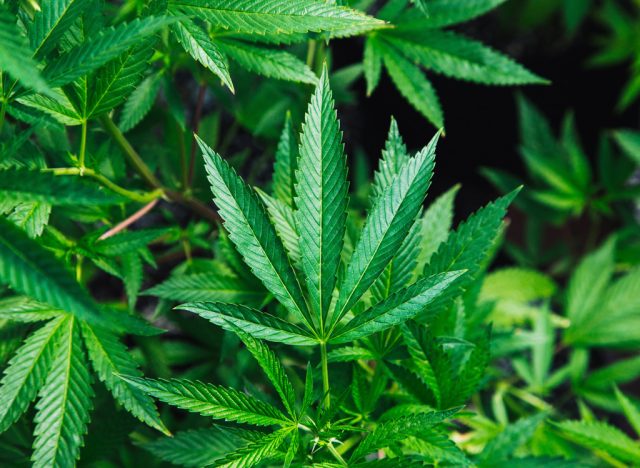
While there are only a few studies focusing on cannabis exclusively for TMJ disorders compared to other illnesses, their results have been promising.
Temporomandibular joint (TMJ) disorders affect the jaw as well as the muscles responsible for controlling movement in the jaw. The temporomandibular joint functions similarly to a sliding hinge and connects the skull and jawbone. The human body has one of these jaws on each side.
The symptoms of TMJ include tenderness or pain in the jaw, pain in the left, right, or both jaws, clicking sound when you open your mouth, pain around the ear and face, muscle spasms, joint locking, difficulty chewing, and more. These can be caused by various factors such as damage in the joint or the joint cartilage due to impact, eroding of the disk, or misalignment of the jaw disk. In most cases of people with TMJ, the exact cause is unclear.
According to the National Institutes of Health, there are some 10 million Americans that have temporomandibular joint disorders. They tend to affect people between the ages of 20 to 40, and it’s more common in women compared to men. Most cases of TMJ disorders are mild and when diagnosed early, they are not expected to worsen over time.
Lifestyle changes such as eating soft food, application of ice packs, avoiding extreme jaw movements as well as relaxation techniques are recommended. If this is not enough, pain medications and NSAIDS may be recommended by doctors and in severe cases, the use of a stabilization splint, a type of oral appliance, may be needed. In rare cases, botox and surgery may be required.
Millions of people with TMJ struggle with the severe pain and discomfort brought on by this condition.