WeedLife News Network

Hot off the press cannabis, marijuana, cbd and hemp news from around the world on the WeedLife Social Network.

How does cannabis impact mental health?

Working in family medicine for more than 20 years, Dr. Mark Ware has long witnessed the therapeutic benefits of cannabis, not only to address physical pain and discomfort, but also to treat mental health.

Many of Dr. Ware’s patients have chronic pain and have exhausted conventional therapies. Cannabis, in some cases, has helped not only to manage their pain, but also to alleviate the accompanying stress and anxiety.

“It was obvious to me very early on that cannabis had a very broad effect on people’s health, including their mental health,” Dr. Ware, chief medical officer for Canopy Growth, told The GrowthOp. “Cannabis and mental health are intimately intertwined.”

It’s a relationship, however, that is just starting to be understood.

Cannabis is not a singular compound; there are more than 100 cannabinoids in the plant that can produce different, sometimes opposing, effects. Add to that that every person has an individual endocannabinoid system that responds differently to those compounds.

e-mail icon

Copyright

© 420 Intel

What Isiah Thomas Learned On The Court Helped Him Find Success In Cannabis

Whether you’re starting a new business or building out an existing venture, communication is everything, former NBA superstar Isiah Thomas explained.

After a successful career in basketball, both as a player and a coach, NBA legend Isiah Thomas became a serial investor and entrepreneur.

Among his notable ventures was the acquisition of sparkling wine brand Cheurlin Champagne, and his recent appointment as CEO of cannabis company One World Pharma Inc., a Colombia-based producer of cannabis and hemp ingredients.

During a recent conversation focused on cannabis, hemp and One World Pharma, Thomas explained how his coaching experience and leadership experiences transferred over to business.

All About Teamwork

Thomas, who won the 1989 and 1990 NBA championships with the Detroit Pistons, has garnered worldwide recognition for his string of successful business ventures. He also transferred the skills he learned and nurtured on the court to his various roles as a business executive.

e-mail icon

Copyright

© 420 Intel

Everything You Need To Know About The Convenient Service: Cannabis Delivery

The timeline of cannabis in America is certainly a tumultuous one. From being spiritually and ritualistically used by Native Americans, to being vilified and criminalized by early 1900’s government officials leading to a 75 year prohibition, to an explosive “war on drugs” that had a choke hold on American culture for over two decades, marijuana and its users have been on a seriously wild ride.

Now, as of 2020, marijuana is fully legal in 11 states and medically legal and decriminalized in another 12. We are finally seeing the progress that the cannabis industry deserves.

This widespread legalization and decriminalization has opened the doors to a sonic boom in cannabis business and innovation.

Copyright

© 420 Intel

FBI data shows more marijuana arrests made in 2019 than for violent crimes

In spite of ever-growing support for marijuana use in the United States, a recently-released FBI report revealed there were more people arrested for cannabis last year than for all violent crimes together. 

According to data from the Uniform Crime Report, a total of 545,602 people were arrested in the U.S. for marijuana-related offenses in 2019. However, the same report showed 495,871 people were arrested for violent crimes last year throughout the country. 

What’s even more interesting is the fact that 92% of the people arrested for cannabis, or 500,395, were apprehended for the mere possession of marijuana – which has been decriminalized in 28 U.S. states to date.  Eleven states have fully legalized marijuana, while a number of others allow cannabis for medical use.

The majority of the drug arrests were made in the Northeastern U.S., while in the Western U.S., where cannabis is largely legal, marijuana arrests were much less frequent. 

“Police across America make a marijuana-related arrest every 58 seconds. At a time when the overwhelming majority of Americans want cannabis to be legal and regulated, it is an outrage that many police departments across the country continue to waste tax dollars and limited law enforcement resources on arresting otherwise law-abiding citizens for simple marijuana possession,” Executive Director for cannabis advocacy group NORML Eric Altieri said following the release of the FBI data.  

e-mail icon

Copyright

© 420 Intel

Additional Information On California’s CBD Ruling

The US Hemp Roundtable, the hemp industry’s leading national advocacy organization, is profoundly disappointed that the California Senate leadership refused to allow a vote on AB 2028 (Aguiar-Curry, Wicks and Wilk), which would have legalized the use of hemp CBD in all products, to advance before the end of the 2019-20 legislative session.

As a result, California will not benefit from tens of millions of new tax dollars or thousands of new jobs that AB 2028 would have delivered. California continues to lag behind 21 other states, including Florida, Texas, Virginia and Ohio, that have already enacted hemp CBD laws and are drawing business away from California.

AB 2028 represented the product of intense negotiations between the Roundtable, its allies in the California hemp farming and business industries, and Governor Gavin Newsom, an effort that legislative leaders had urged proponents to undertake. The measure received broad bipartisan support as evidenced by its passage in an earlier bill with unanimous votes by the Assembly, as well as the Senate Health and Business and Professions Committees.

“We have been told by staff to Senate President Pro Tem Toni Atkins that there simply was not enough time to consider the amendments to the bill in the waning days of session,” said Jonathan Miller, the Roundtable’s general counsel. “Assuming that is the case, we are optimistic that a reintroduction of AB 2028 at the earliest possible date, with any necessary technical fixes, will ultimately be supported by both houses of the Legislature and signed by Governor Newsom.”

As a result of the COVID-19 pandemic, the California economy is profoundly distressed. Tax revenues have been hard hit, jobs have disappeared and the ability of the state to rebuild itself in a timely fashion is uncertain. The hemp industry, especially its hemp CBD market, represents a major source of new state and local revenues that can be realized quickly.

National market analyses (Brightfield Group and Fortune Business Insights, among others) project that the hemp CBD food and beverage industry alone will generate more than $2 billion annually by 2023. If enacted, AB 2028 would have pegged California’s share of that market at approximately $300 million in the first full year of operation.

e-mail icon

Copyright

© 420 Intel

3,000 medical cannabis patients in France to receive free weed for two years

France has announced a medical cannabis trial that is expected to begin in Mar. 2021, will run for two years and will see 3,000 patients receive pharmaceutical-grade cannabis products for free, Le Monde reports.

France’s Ministry of Health and Solidarity will oversee the trial, which was approved by the National Assembly in 2019. The program will focus on the efficacy of cannabis therapy to treat conditions such as epilepsy, neuropathic pain, multiple sclerosis and the side effects of chemotherapy, and will be limited to smokeless products like oils, tinctures and capsules.

Cannabis is illegal in France for recreational use and has been banned for medical use since 1953. In September, the country implemented a fixed fine of 200 euros (about $300) for cannabis consumption, rather than taking individuals into custody.

Though the plant is widely consumed, not everyone is in favour of cannabis reform.

Last month, in an interview with Le Parisien, Gérald Darmanin, France’s Minister of the Interior, called cannabis legalization “shit.”

e-mail icon

Copyright

© 420 Intel

Why These Marijuana Stocks Are At The Top of the Industry

Two Pot Stocks to Hedge Bets on

Copyright

© 420 Intel

Mexico Is Quietly On The Edge Of Nation Wide Cannabis Legalization

Mexico is one of the most exciting emerging cannabis markets in the world and we believe that the market is nearing an inflection point. Recently, we came across studies that highlighted the potential of the Mexican cannabis market and this is an opportunity that we are excited about over the long-term.w

In 2017, after a separate Supreme Court mandate, then-President Enrique Peña Nieto signed a decree legalizing cannabis for medical use. The government has stalled in implementing necessary regulations, and the drug remains out of reach for many patients. Almost two years ago, Mexico’s Supreme Court ruled that a cannabis ban as unconstitutional and we are favorable on how the topic has been gaining support.

The support that is being shown for the cannabis industry comes ahead of a key date for Mexico’s cannabis market. Under orders from the Supreme Court, Mexican lawmakers have until December 15th to pass cannabis legislation.

Although we are surprised with the amount of time it has taken to advance the Mexican cannabis market, the development is a great example of how much the world has changed over the last few decades. Previously, Mexico had restrictive drug laws that was fueled by deadly cartels wars and we are favorable on the way the industry is trending.

Currently, there is an intense debate on what legalization should look like and whom it should benefit. One side of the group believes that domestic cultivators that are currently cultivating cannabis should be protected from competition from large international cannabis companies. Recently, a bill was introduced that would allow private companies to sell cannabis to the public. Senate leader Ricardo Monreal expects the legislation to pass in the Senate within two weeks and then go to the lower house of Congress.

e-mail icon

Copyright

© 420 Intel

New Zealand To Vote On Cannabis Legalization Saturday

Voters in New Zealand will vote on Saturday on a nationwide referendum that would legalize the use and possession of cannabis by those 20 years of age and older. If passed, the vote would make New Zealand only the third country worldwide to legalize cannabis at the national level, joining Uruguay and Canada.

The referendum, known as the Cannabis Legalisation and Control Bill, would require the New Zealand Parliament to establish rules and regulations for the commercial production and sale of cannabis and cannabis-infused products. The measure would also permit adults at least 20 years old to purchase up to 14 grams of herbal cannabis per day. Home cultivation of up to four cannabis plants per household would also be allowed under the ballot measure. Under current New Zealand law, the use of marijuana by adults is a crime punishable by up to three months in jail.

Last week, a group of New Zealand’s leading public health professionals expressed their support for the legalization referendum in an editorial published in the New Zealand Medical Journal.  Professor Michael Baker of the University of Otago, one of the health experts who helped guide New Zealand’s response to the COVID-19 pandemic, said that the country is a world leader in using “innovative and evidence-informed approaches” to addressing complicated public health issues.

“It’s time to take the same fresh approach to cannabis law and put public health first,” Baker said.

“Our prohibition model for cannabis is outdated and doesn’t work,” Baker added. “Supporting law reform is about reframing cannabis use as a health issue which opens up new, more effective ways of minimizing harms caused by this drug.”

e-mail icon

Copyright

© 420 Intel

Pennsylvania Governor Continues Push For Cannabis Legalization

Legalizing marijuana could help Pennsylvania weather the economic turbulence brought on by the COVID-19 pandemic.

That was the argument put forth on Tuesday by the state’s governor, Tom Wolf, who continued to urge Keystone State lawmakers to take up the issue.

“This year, I again went to the General Assembly and asked them to make legalizing adult-use cannabis a priority for the fall as we work to find ways to overcome the economic hardships of the COVID-19 pandemic. To date, there has been no movement to advance legislation,” Wolf said during a morning visit to Monroe County, Pennsylvania, as quoted by local television station WGAL.

According to the station, Wolf likened the legalization of recreational pot to the “economic growth that the historic farm bill of 2018 did for hemp farming after decades of prohibition.”

That farm bill prompted many states to establish their own rules for hemp cultivation, with local farmers eager to capitalize on the CBD boom in recent years.

e-mail icon

Copyright

© 420 Intel

Navajo Nation Cracks Down On Cannabis Cultivation

Problematic cannabis cultivation on Navajo Nation lands has led to a new resolution to clarify the Nation’s stance.

The Navajo Nation is an American Indian territory covering more than 17.5 million acres of north-eastern Arizona, south-eastern Utah and north-western New Mexico.

The Navajo Nation doesn’t allow for hemp or marijuana to be grown on its land, with the exception of a pilot project being carried out in partnership with New Mexico State University. However, at least one unauthorised party has been cultivating hemp, claiming passage of the 2018 Farm Bill that legalised it at a federal level allows this to occur – and there was no Navajo Nation penalty in place for growing hemp.

Copyright

© 420 Intel

Will A Biden/Harris Presidency Be A Friend Or Foe Of The Cannabis Industry?

Last week, the cannabis sector rallied after Kamala Harris’ debate with Vice President Mike Pence. We believe the reason for the move higher is related to Harris stating that cannabis would be decriminalized under a Joe Biden administration.

In late 2019, Pew Research Center conducted a survey that found that two-thirds of Americans believe that cannabis should be legal. The survey also found that there has been a significant decline in the number of adults who believe that cannabis should be illegal. According to the survey, the percentage of adults who oppose the legalization of cannabis has fallen from 52% in 2010 to 32%.

Numbers do not lie, and the American people want cannabis to be legalized. The COVID pandemic put considerable pressure on the global economy and the US economy was not immune to this. States desperately need money and are looking for additional revenue streams in a post-pandemic world.

As it relates to economies (state and federal) finding new revenue streams, the legalization of sports betting was the first domino to fall. The change in regulation has been a catalyst for the US economy (and stock market) and several sports betting companies have recently gone public and are valued at more than $50 billion in aggregate (Draft Kings and Penn National Gaming).

We believe that the legalization of cannabis would prove to be an even larger taxable revenue stream than sports betting. States need more revenue and we expect cannabis to draw new voters to the polls and play an important role in the outcome of the November election.

e-mail icon

Copyright

© 420 Intel

Michigan Governor Signs ‘Clean Slate’ Bills

Michigan Gov. Gretchen Whitmer on Monday signed a package of bills designed to reform the state’s process for expunging past criminal convictions. The ‘Clean Slate’ bills, as the legislative package of six measures is known, was passed by Michigan lawmakers last month.

“This is a historic day in Michigan. These bipartisan bills are a game-changer for people who are seeking opportunities for employment, housing, and more, and they will help ensure a clean slate for hundreds of thousands of Michiganders,” Democrat Whitmer said in a press release. “This is also an opportunity to grow our workforce and expand access to job training and education for so many people. I am proud to sign these bills today alongside Lieutenant Governor Gilchrist and many of the bipartisan leaders who worked on them.”

The Clean Slate bills include a measure that allows for the expungement of previous convictions for marijuana offenses no longer illegal under state law. Michigan voters approved legislation to legalize the recreational use of cannabis in 2018 and legal retail sales began in the state late last year.

Lt. Gov. Garlin Gilchrist, also a Democrat, said the bills would help reduce the collateral damage that comes with convictions for minor crimes and provide economic opportunity for past offenders.

“This anti-poverty, pro-job opportunity Clean Slate legislation will reinvigorate the economic potential of hundreds of thousands of Michiganders whose records have hindered their availability to get a job or secure housing, and it will help us grow our workforce,” said Gilchrist. “This is the right thing to do on behalf of people everywhere who deserve another chance, and will help improve livelihoods. There is more work to do, but Michigan has now established itself as a leader in removing barriers to economic opportunity for people who have made mistakes. I will continue to stand tall for Michiganders across the state who need someone in their corner.”

e-mail icon

Copyright

© 420 Intel

Could Cannabis Eliminate The High-Cost And High-Stakes Of Current Psoriasis Medicines?

Often triggered by stress, new studies are showing that psoriasis can be better managed by diet, oral health, and even CBD.

The National Psoriasis Foundation states that upwards of 8 million people have the auto-immune skin disorder. Often accompanied by arthritis, psoriasis not only causes scaling of the skin, but complications to fingernails as well. 

Affecting everyone from children to adults, psoriasis can lead to anxiety and depression, as individuals with the skin disorder are often afraid of being ridiculed. Usually treated with Humira and Enbrel, psoriasis comes with a shocking price tag and complications that are often difficult to ignore. 

A 2014 study published in the journal Drugs in Context found that Humira had a price tag upwards of $39,000, while Enbrel’s annual cost was around $46,000. Stelara, the most expensive drug, was found to cost over $53,000. As TNF blockers, while medications like Humira help against psoriasis, they can lower the body’s ability to fight infections and cause serious side effects. 

Even more interesting, a September 2019 study in London found that, “A number of medications commonly prescribed by rheumatologists may interact with cannabidiol oil” (CBD oil). The most affected medicines appear to be corticosteroids (including hydrocortisone and prednisolone) since CBD, “is a potent inhibitor of CYP3A.” Put plainly, CBD may block the effects of the other medicine. 

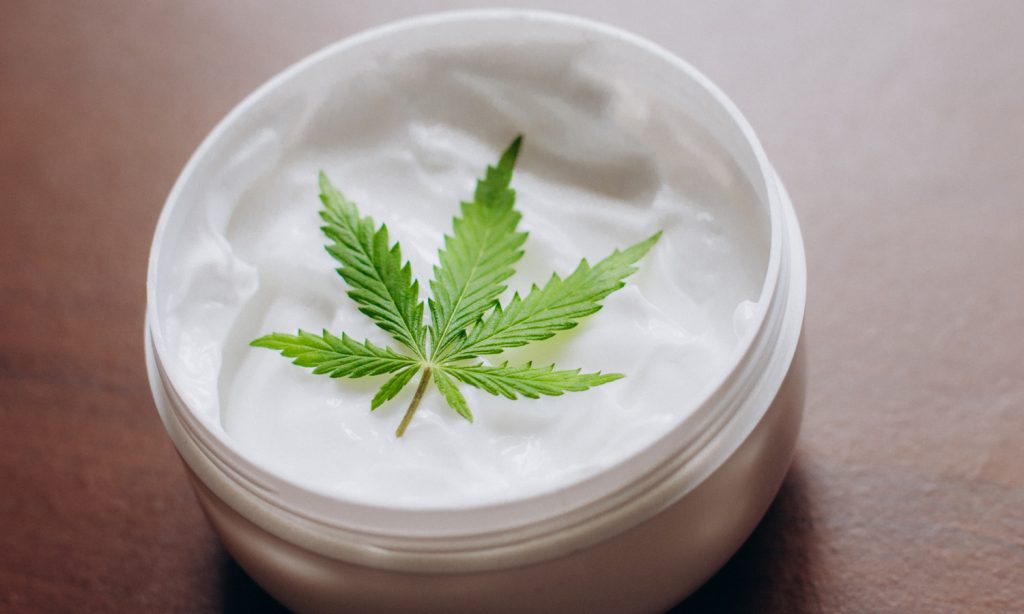
can cbd lotion help hives

Copyright

© 420 Intel

Lets Talk About Using Cannabis To Relieve Pandemic Stress Disorder & Suicide?

According to a Centers for Disease Control and Prevention survey of more than 5,400 people, almost 11% of United States adults reported seriously contemplating suicide in June.

The most stunning moments in my years of involvement in the marijuana legalization movement were when someone told me, “I haven’t tried to kill myself since I started using marijuana.” 

I am not a doctor, a psychologist, or even a counselor, so I was really unprepared for that. I have had cancer patients tell me that if they had not had a few tokes of marijuana to help them with the extreme nausea from chemotherapy, they would have chosen to die from the cancer rather than endure the hellish side effects from the chemo. The pharmaceutical antiemetics had stopped working.

Even in 1991, “More than 44% of the respondents report recommending the (illegal) use of marijuana for the control of emesis to at least one cancer chemotherapy patient. Almost one half (48%) would prescribe marijuana to some of their patients if it were legal. As a group, respondents considered smoked marijuana to be somewhat more effective than the legally available oral synthetic dronabinol ([THC] Marinol;” 

And I have known patients who did kill themselves rather than go to prison and be tortured to death by a regime that would watch them die in pain rather than allow them to use that plant. 

depression

Copyright

© 420 Intel

How To Start Talking To Your Doctor About Cannabis And CBD

The two of you, plus others in your support network, are a team working to achieve one goal: your well-being.

The decades-long stigmatization of cannabis can make initiating conversations about its use awkward and difficult, particularly with your doctor. Add to that the knowledge — or even a hunch — your doctor may be skeptical about the benefits of cannabis, raising the topic can be downright intimidating. But it doesn’t have to be.

Your medical doctor is among the most educated and trained professionals you invite into your circle of trust. In addition to four years of undergraduate school, another four years in medical school and three to seven years of residency, being a doctor requires constant continuing education and recertification.

But throughout their education and training, your doctor was taught that natural remedies have limitations, and when the body can’t function on its own, it needs therapies beyond natural remedies to make you better. What’s more, the federal prohibition against cannabis — which has until recently included all forms of CBD — U.S. physicians have not been exposed to a lot of credible research and clinical trials.

In other words, if your doctor is a cannabis skeptic, it’s not entirely their fault. Years of training combined with the law of the land shaped those opinions. But it’s also important to remember that your physician is invested in your health. Long before he or she embarked on the long journey to become a doctor, they likely just wanted to help people. After they put in the long hours at school and hands-on training in residency, they swore an oath to help you. They want a good health outcome for you as much as you do. The two of you, plus others in your support network, are a team working to achieve one goal: your well-being.

Doctor About Marijuana

Copyright

© 420 Intel

What Are Some Common Side Effects of CBD Oil?

CBD, one of the main components of the cannabis plant, is now being looked at as a highly effective remedy for all kinds of conditions.

Although not enough research has been conducted to prove it can cure any specific ailments, research indicates it can be effective in treating a wide variety of health issues.

When you read about all of its benefits, it almost seems like some kind of “miracle drug.”

Unfortunately, there is no such thing as a miracle drug.

Even though it is holistic and safe, CBD does have some side effects associated with its use. 

e-mail icon

Copyright

© 420 Intel

Poll reveals New Jersey likely to legalize cannabis on November 3

With just 21 days till voters in New Jersey get to decide on whether to legalize recreational marijuana in their state, a majority of them appear to be in favor of the measure, according to a new poll. 

Released last week by Fairleigh Dickinson University, the poll was conducted from September 30 through October 5 and included 582 randomly selected likely voters in the Garden State. Sixty-one percent of those surveyed said that they support legalization, while only 29% said they will vote against the measure.

Among Democrats, 71% of those contacted said they will vote yes on November 3. On the other hand, the percentage of Republicans that would support legalization was reported at 52%. 

New Jersey Governor Phil Murphy has made cannabis legalization a policy priority of his, but previous attempts to legalize cannabis via the state legislature have proven unsuccessful. Voters will instead decide on the matter on Election Day, when the country either re-elects President Donald Trump or chooses his opponent Joe Biden to lead the U.S for the next four years. 

Recently, Murphy released a pro-legalization video, in which the governor urged New Jersey voters to end prohibition, underscoring that it costs taxpayers $150 million every year. 

e-mail icon

Copyright

© 420 Intel

Will New Jersey be the next state to legalize marijuana?


New Jersey looks set to be the next state to legalize marijuana. It's on the ballot come Election Day on November 3, the polls are looking good, and while it's not the only state with marijuana legalization on the ballot, the others—Arizona, Montana, and South Dakota—are all out West, and the Garden State should beat them by a few hours.

The New Jersey legalization initiative, Public Question 1, would amend the state constitution to legalize the recreational use of marijuana and its cultivation, processing, and retail sale by a person who is at least 21 years old. It also designates the existing Cannabis Regulatory Commission (CRC), which currently handles medical marijuana, to regulate all legal marijuana commerce. Retail marijuana sales would be subject to the state sales tax of 6.625 percent, but any other state sales taxes would be prohibited. The initiative authorizes the legislature to let local governments add a 2 percent local sales tax.

It also leaves it up to the legislature and the CRC to address unresolved issues. Those include whether and how home cultivation would be allowed, how much weed people could possess, and detailed retail regulations.

If the measure passes, New Jersey will not only be the first to legalize marijuana this Election Day, it will also be the first mid-Atlantic state to do so, and the first to legalize it via a legislatively initiated voter referendum. Of the 11 states (and the District of Columbia) that have so far legalized marijuana, nine did it through citizen-based ballot initiatives, while in the other two, Illinois and Vermont, legislatures passed legalization bills.

e-mail icon

Copyright

© 420 Intel

Vermont legalizes sales of recreational marijuana with new bill

Vermont has become the latest U.S. state to legalize cannabis sales after Governor Phil Scott allowed a new marijuana commercialization bill to take effect without his signature. 

In the run-up to his announcement, there was speculation the Vermont governor could even veto the bill, which passed the state legislature last month. Governor Scott was reluctant to sign the legislation over several concerns regarding driving under the influence of cannabis and vaping products, and what he feels as a lack of social equity provisions in the new bill.

With this move, Vermont became the 11th state to tax and regulate marijuana sales and the second to approve it via state legislature. 

“There is still more work to be done to ensure the health and safety of our kids and the safety of our roadways, we should heed the public health and safety lessons of tobacco and alcohol. Further, I believe we are at a pivotal moment in our nation’s history which requires us to address systemic racism in our governmental institutions. We must take additional steps to ensure equity is a foundational principle in a new market,” the governor wrote to lawmakers.

He added that the concerns of communities disproportionately targeted by the so-called War on Drugs were not adequately addressed in the legislation.

e-mail icon

Copyright

© 420 Intel


WeedLife.com